FACEBOOK INSTAGRAM WHATSAPP

Cultural Importance

The Spiritual Heart of Maharashtra

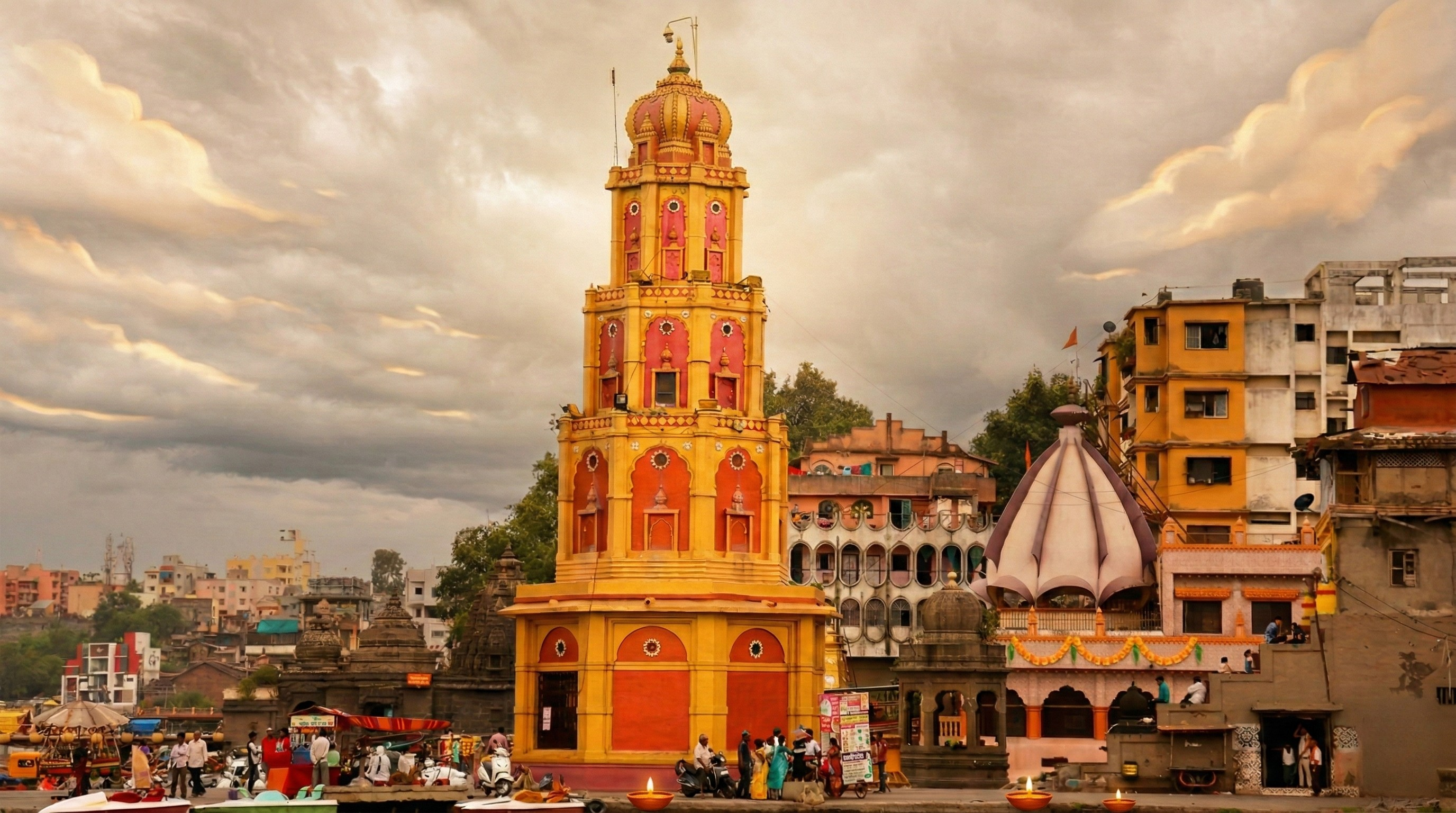
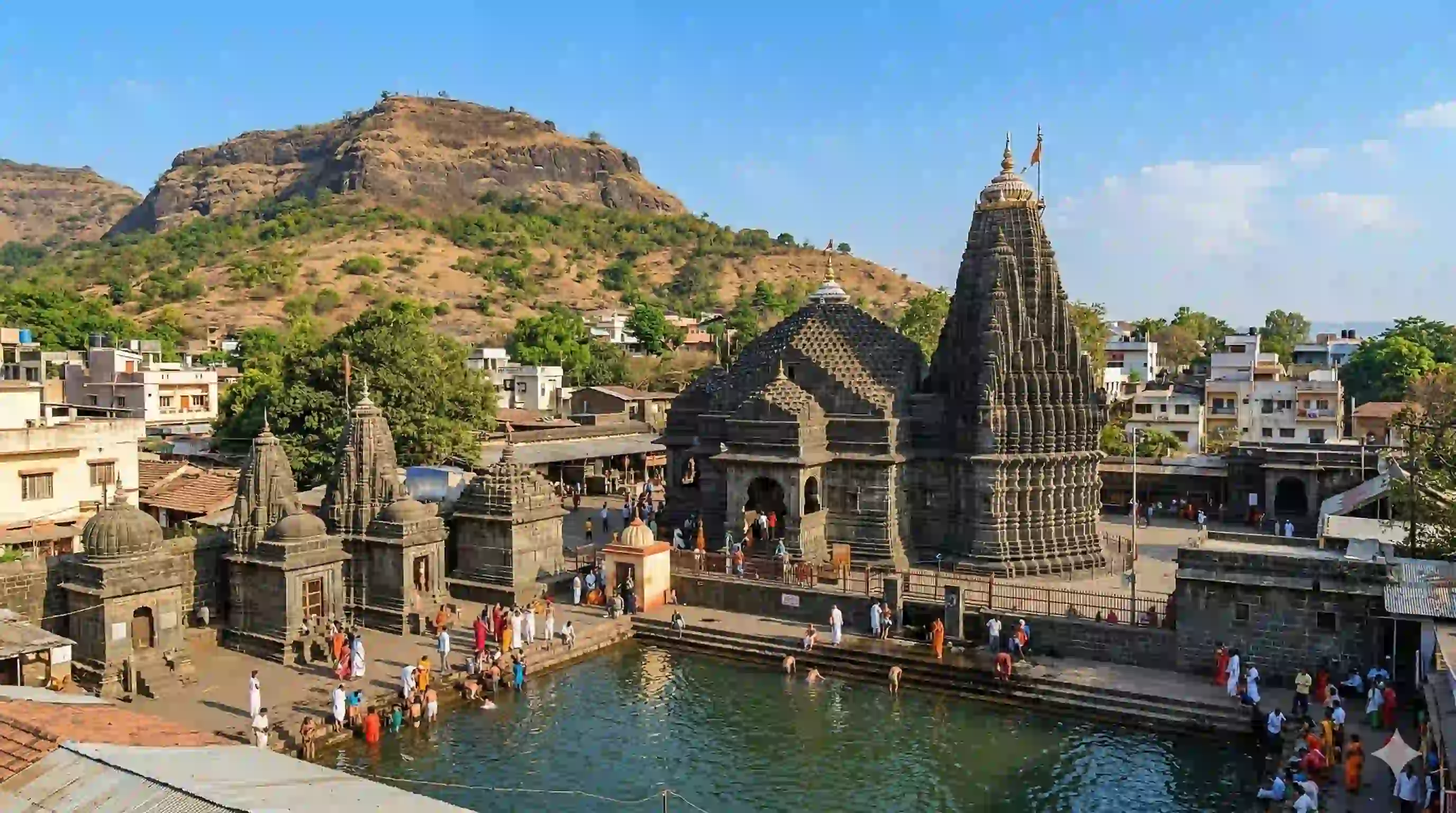
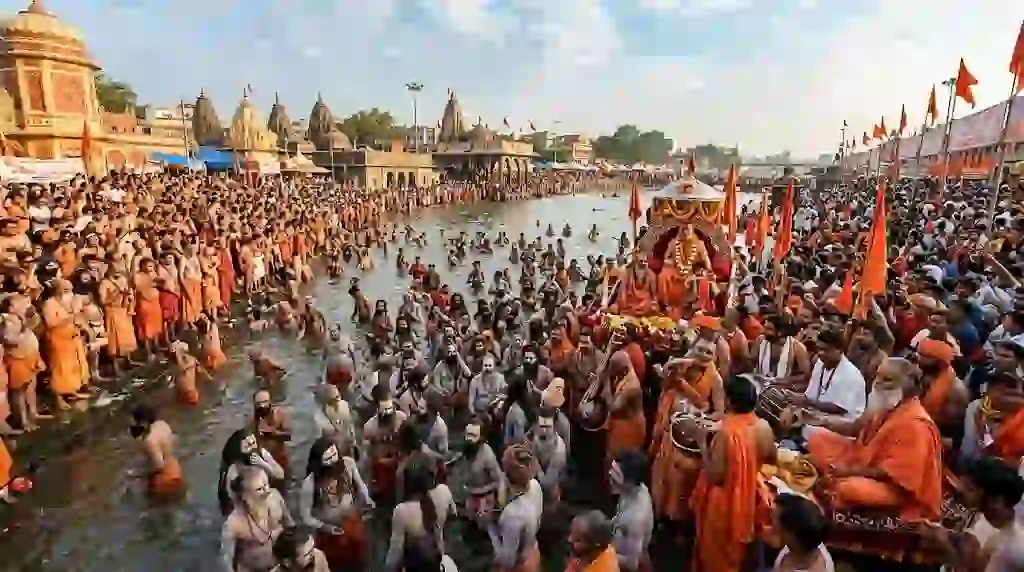
Nashik is not just a city; it is a holy land where tradition meets spirituality. The cultural importance of the Nashik Kumbh Mela goes beyond just a gathering; it represents the unity of India’s diverse traditions, languages, and beliefs.

For centuries, Nashik has been known as 'Dakshin Kashi' (Kashi of the South) due to its immense religious significance and its location on the banks of the sacred Godavari River.

Key Cultural Pillars

1. The Connection with Ramayana

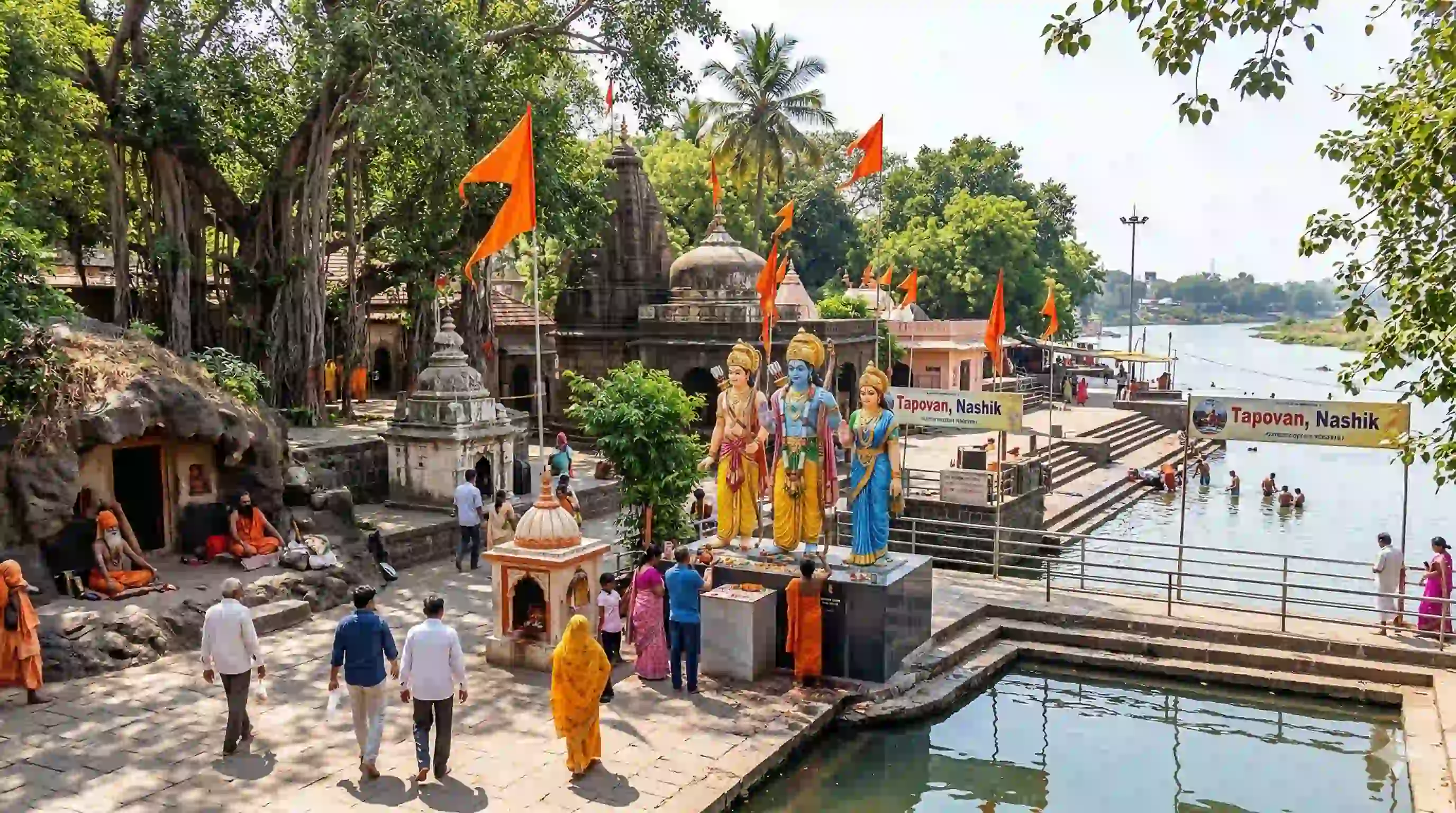
Nashik's culture is deeply tied to the Ramayana. It is believed that Lord Rama, Sita, and Lakshmana stayed in the Panchavati forest during their exile. This historical connection makes every corner of the city a sacred site, drawing pilgrims who want to walk the path of the divine.

2. Godavari: The Lifeline of Traditions

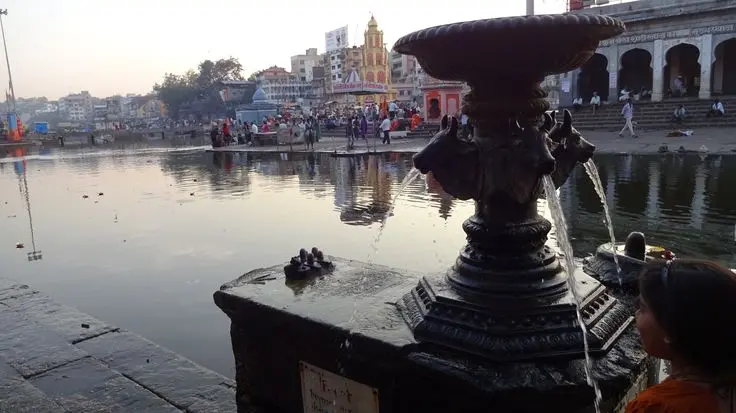
The Godavari River, also known as 'Dakshin Ganga', is the center of Nashik’s cultural life. The daily Ganga Aarti at Ram Kund and the various rituals performed on its banks for ancestors show the deep respect people have for nature and water as a life-giving force.

3. Art, Music, and Literature

The Kumbh Mela is a great platform for Indian classical music, dance, and spiritual discourses. Thousands of 'Kirtankars' and 'Bhajan Mandalis' gather here, keeping the ancient oral traditions alive for the next generation.


Core Values of the Mela

Unity in Diversity

People from every state of India, speaking different languages and following different customs, come together at Kumbh, proving that spirituality has no boundaries.

Daan (Charity)

The culture of giving is supreme. Feeding the hungry (Annadaan) and helping the needy is considered the highest form of worship during the festival.

Guru-Shishya Parampara

The Mela is the best place to witness the ancient teacher-disciple relationship, as thousands of saints pass their wisdom to their followers under the open sky.

A Living Heritage

The cultural importance of Nashik Kumbh Mela is not just in its past, but in how it continues to inspire millions today. It is a Living Heritage that reminds us of our roots, our values, and our collective spiritual journey.

Chat with Us