FACEBOOK INSTAGRAM WHATSAPP

History of Nashik Kumbh Mela

Mythological Origins

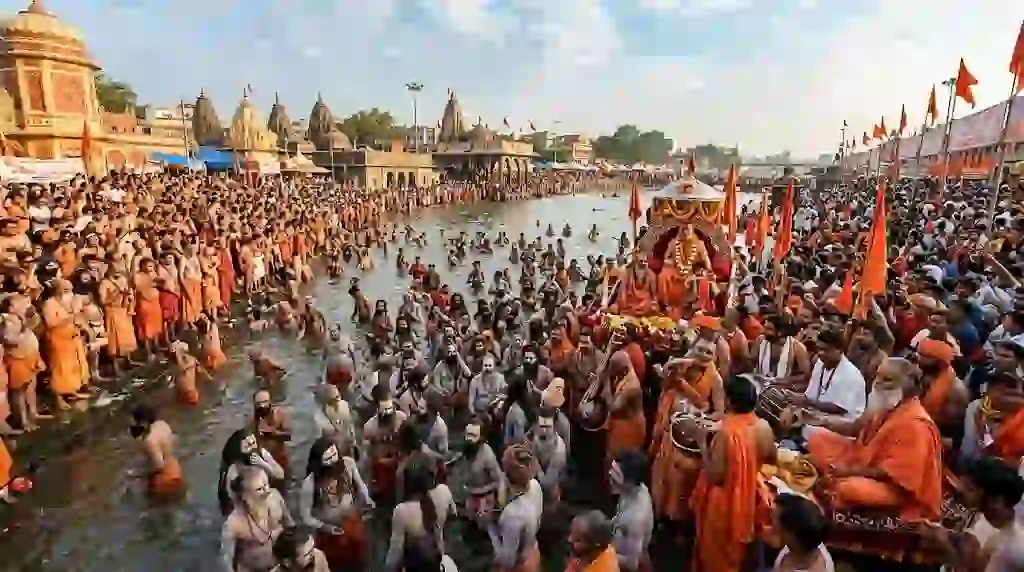
The history of the Nashik Kumbh Mela is deeply rooted in Hindu mythology. According to the ancient scriptures, during the Samudra Manthan (churning of the ocean), a few drops of the divine nectar (Amrut) fell at four sacred locations on Earth: Prayagraj, Haridwar, Ujjain, and Nashik (Trimbakeshwar).

In Nashik, this celestial event is celebrated as the Simhastha Kumbh Mela, which occurs when Jupiter enters the zodiac sign of Leo (Simha).

Historical Significance & Evolution

Ancient Era

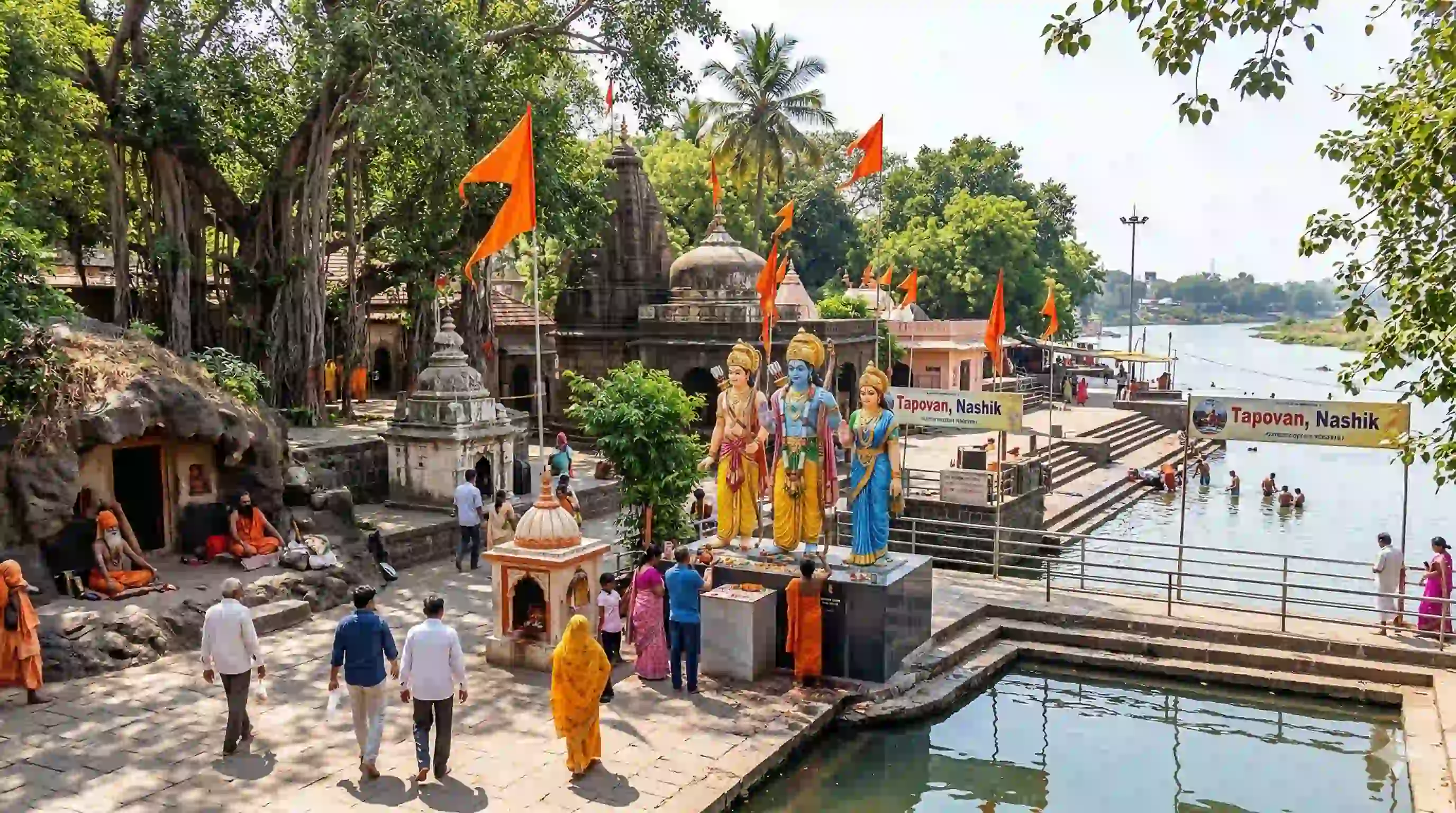
References to the holy bath in the Godavari river can be found in the Puranas and the Ramayana, where Lord Rama is said to have stayed in Panchavati during his exile.

The Maratha Period

During the 18th century, under the Peshwas' rule, the Nashik Kumbh Mela gained formal structure. Many of the famous ghats and temples seen today were constructed or renovated during this golden era.

British Records

Gazetteers from the British Raj era document the massive gatherings in Nashik, noting the management of crowds and the spiritual fervor of the wandering ascetics (Sadhus).

The Trimbakeshwar-Nashik Link

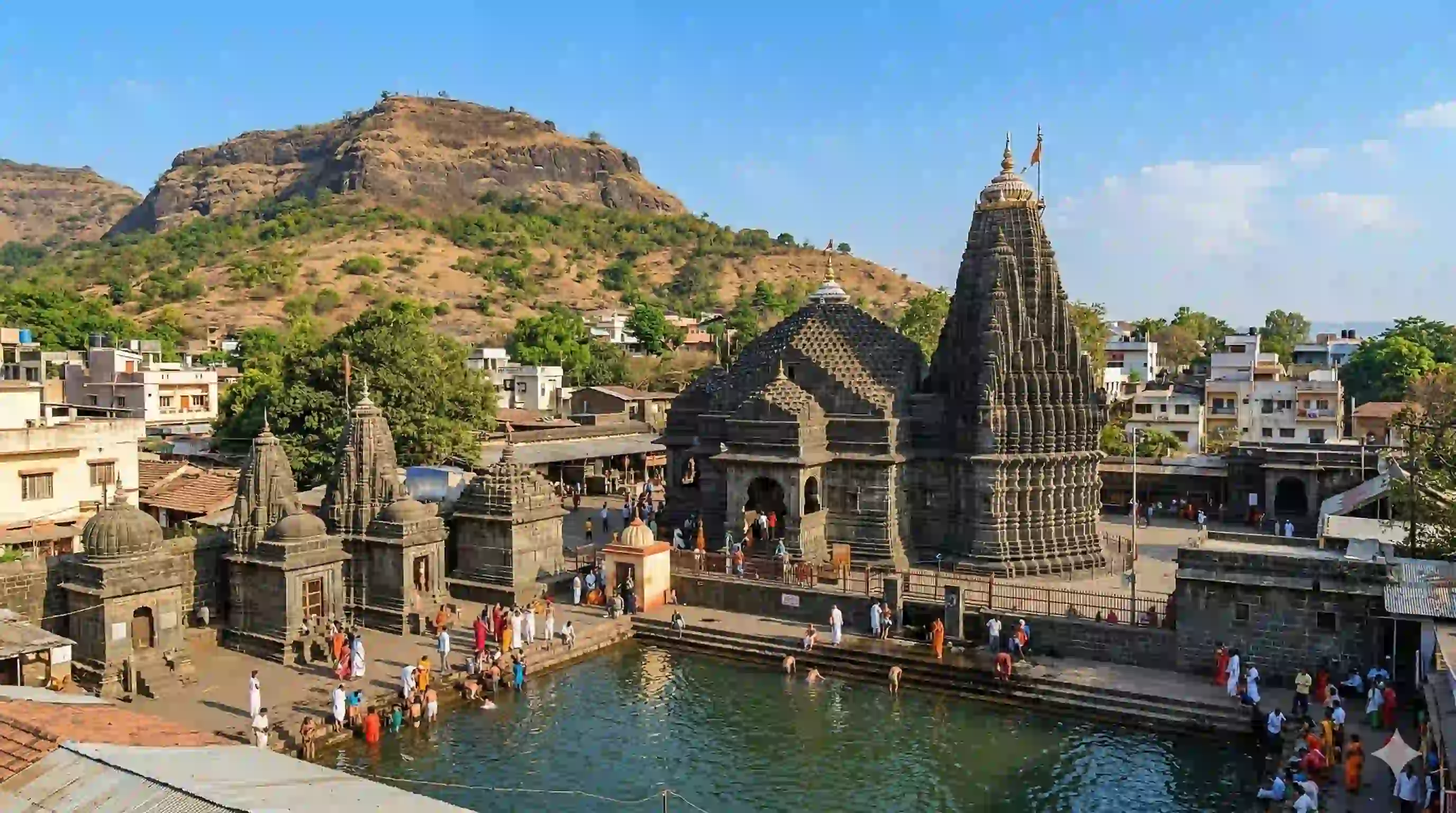
Historically, the Kumbh Mela in Nashik is unique because it is held at two places simultaneously: the Kushavarta Ghat in Trimbakeshwar (the source of the Godavari) and the Ramkund in Nashik city. This tradition dates back centuries and symbolizes the unity of different sects.

Chat with us!