The Nashik Kumbh Mela is a photographer’s paradise. The vibrant colors of saffron robes, the intense expressions of Naga Sadhus, the golden light reflecting off the Godavari, and the sheer scale of human emotion—every frame is a story. However, capturing the essence of the Kumbh requires more than just a good camera; it requires patience, respect, and a strategic plan.
1. Best Locations for Iconic Shots
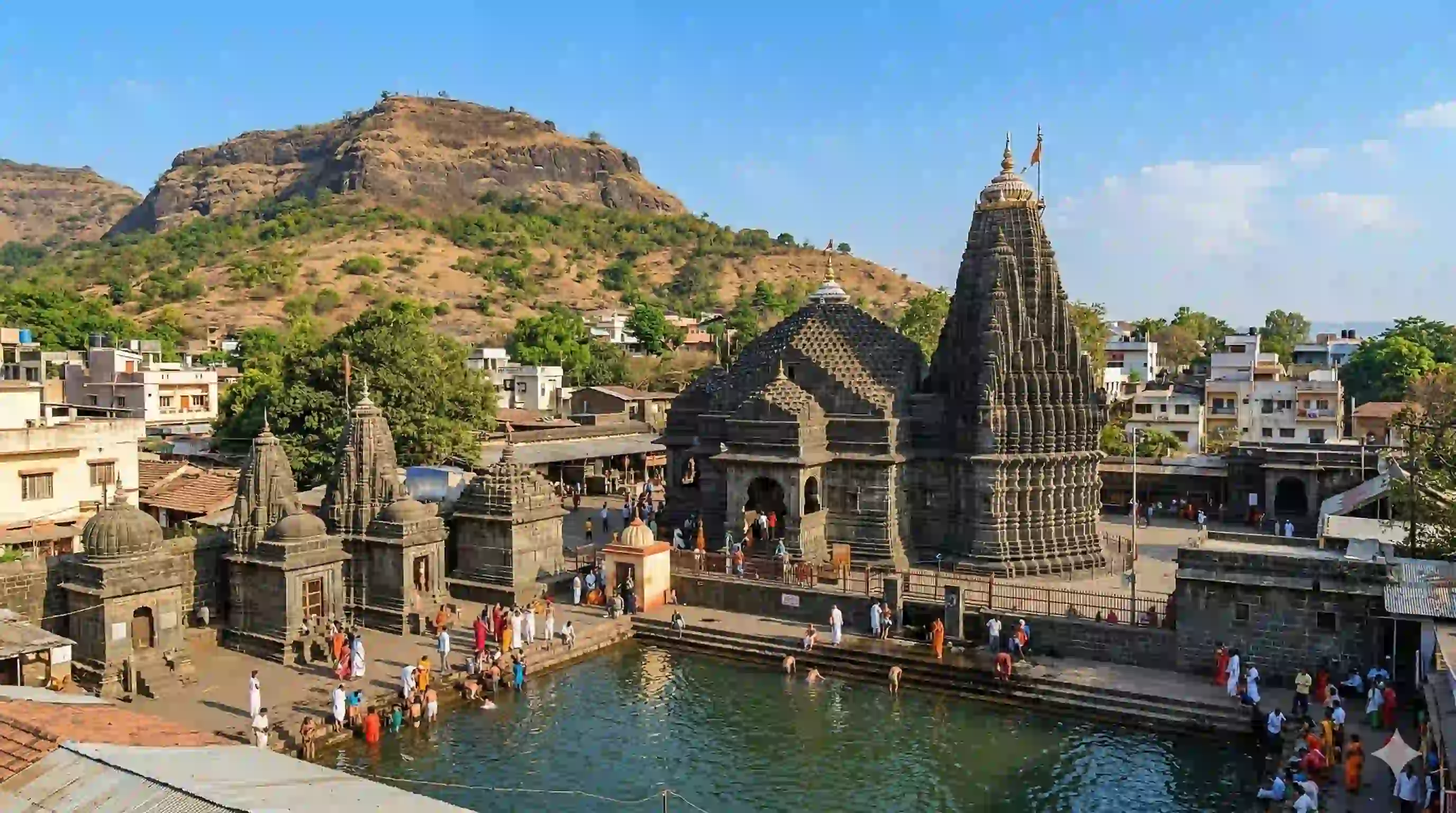
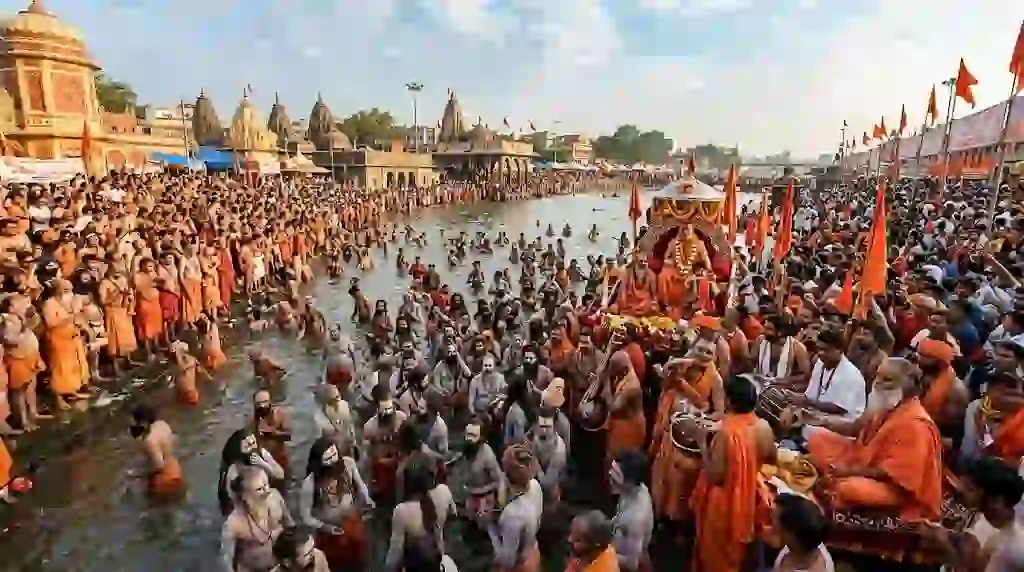
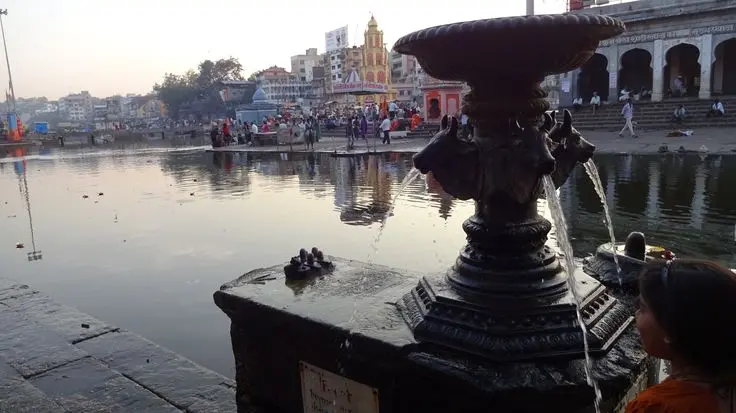
Ramkund & Panchvati: This is the heart of the action. For wide-angle shots of the massive crowd taking the holy dip, try to find a high vantage point from the nearby temples or buildings. The evening Ganga Aarti at Ramkund is perfect for long-exposure shots of floating lamps.
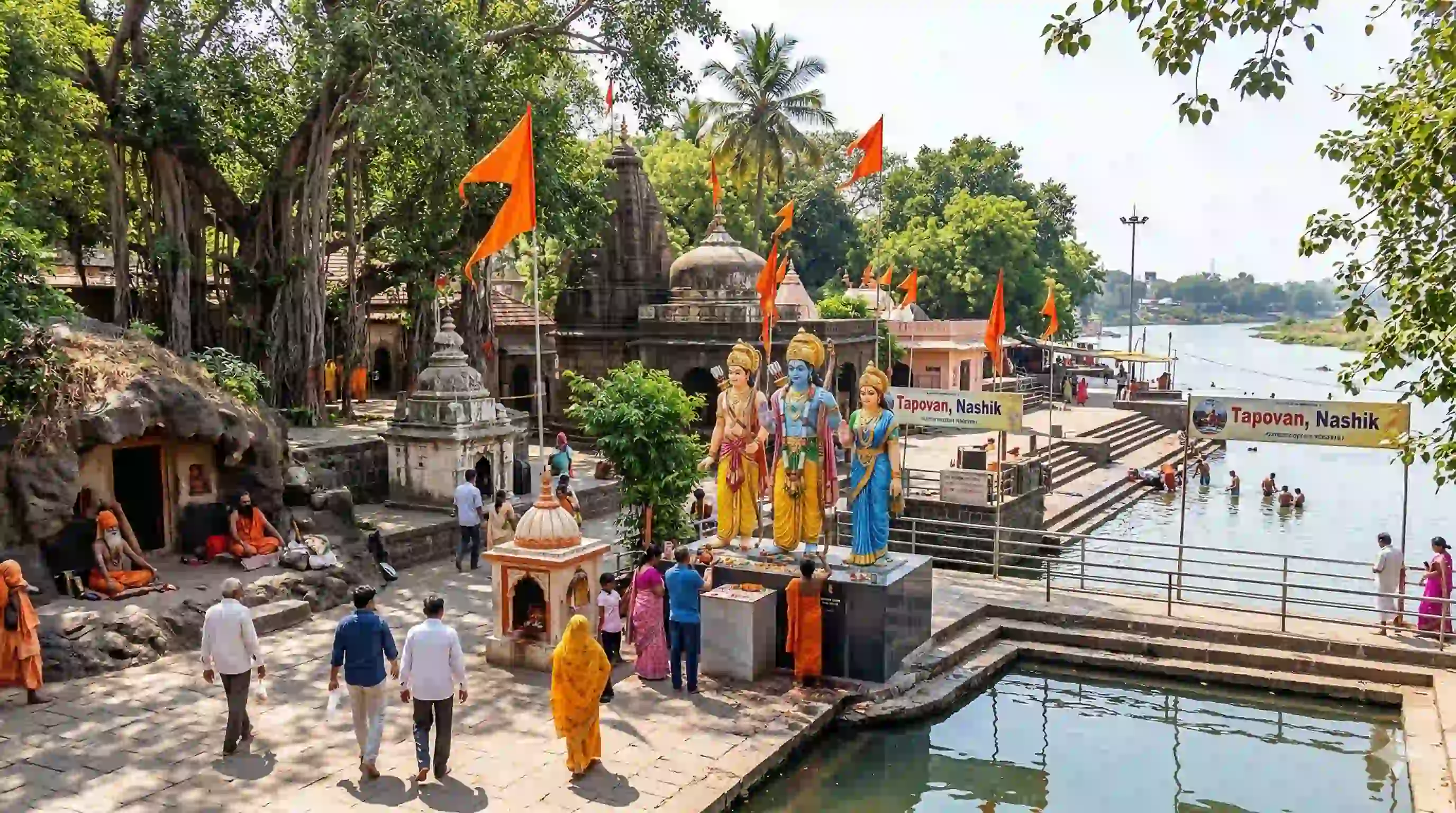
Tapovan (Sadhu Gram): If you want intimate portraits of Sadhus, this is the place. Each Akhada has its own tent. The morning rituals of Sadhus applying ash (Bhasma) provide incredible textures and lighting for portrait photography.
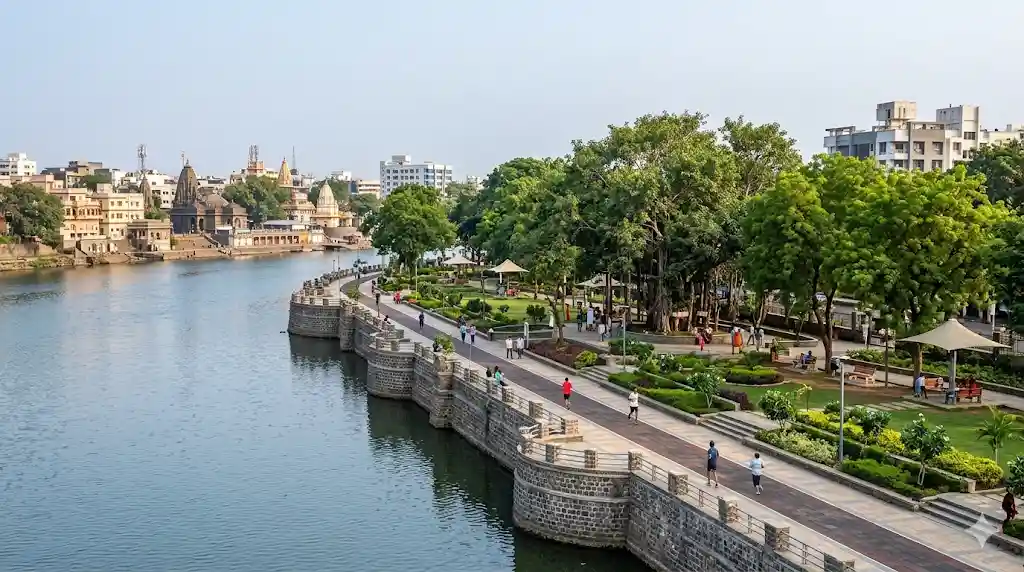
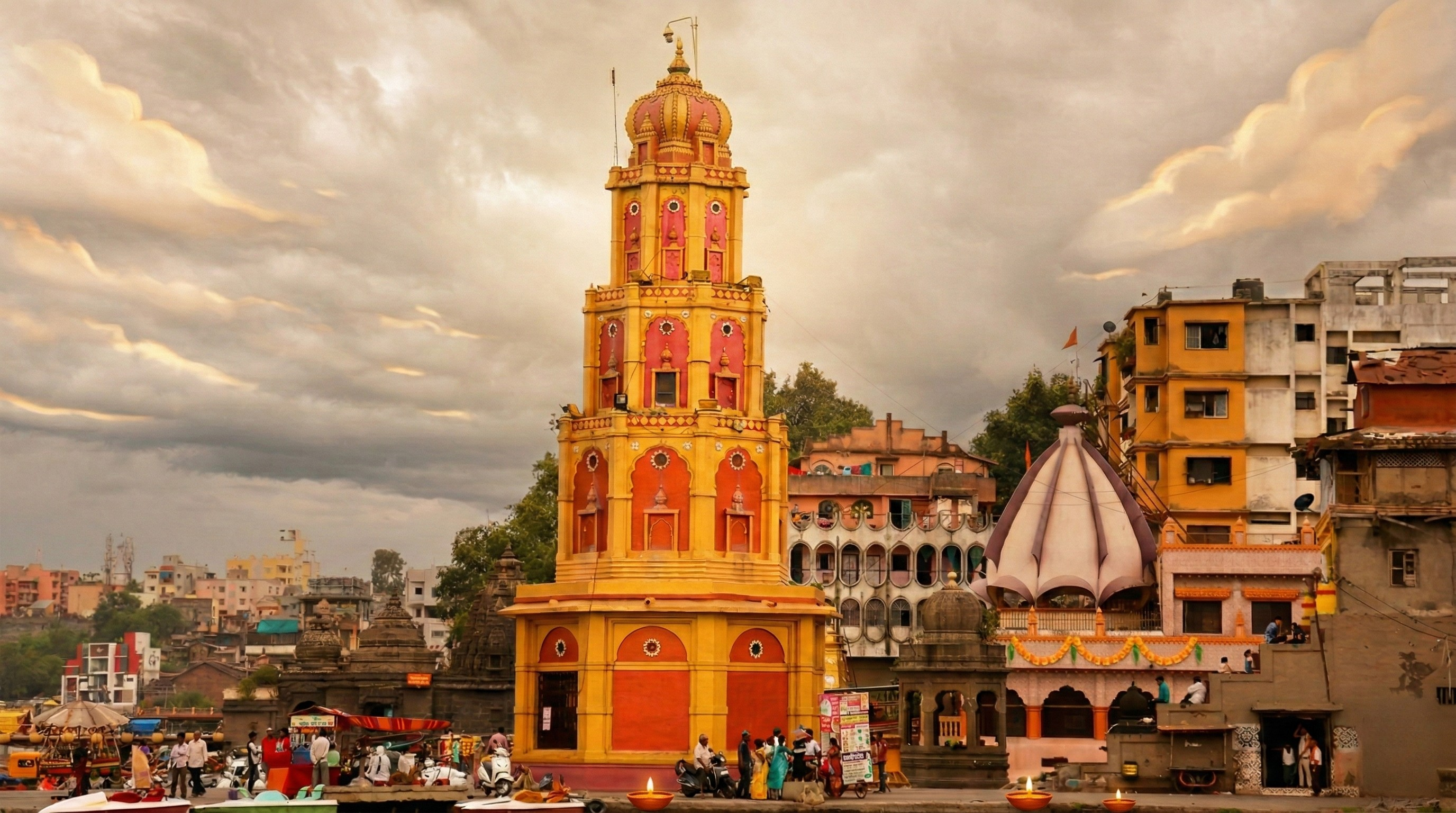
Godavari Banks (Sandhya Aarti): The river banks offer great opportunities for silhouette photography during sunrise and sunset. The reflections of the colorful Ghats in the water add a magical touch to your frames.
2. Gear Recommendations
During the Kumbh, you will be walking a lot in dusty and crowded environments.
- Lenses: A versatile 24-70mm lens is great for most situations. However, a 70-200mm telephoto lens is essential for capturing candid expressions of Sadhus from a respectful distance.
- Protection: Use a rain cover or a simple plastic wrap for your camera. The Bhasma (ash) and dust in the air can easily enter your gear.
- Storage & Power: Carry extra batteries and high-speed SD cards. You will likely take thousands of photos a day, and finding a charging point in the crowd is impossible.
3. Mastering the Golden Hour
The best light in Nashik happens during the early morning (5:30 AM to 7:30 AM) and late afternoon (4:30 PM to 6:30 PM). The morning light combined with the rising mist from the Godavari creates a mystical atmosphere. For first-timers, staying near the Ghats during these hours is highly recommended. Check our Travel Packages for hotels located close to the river for easy access.
4. Ethics and Respect: The Most Important Rule
Photography in the Kumbh is a privilege, not a right.
Ask for Permission: Always gesture or ask before taking a close-up portrait of a Sadhu or a pilgrim. Most are welcoming, but some may prefer privacy during their rituals.
Don't Obstruct: Never block the path of a Shahi Snan procession for a photo. These are sacred rituals, and security personnel are very strict about maintaining the flow of people.
5. Capturing the Shahi Snan Procession
The Shahi Snan processions (Peshwai) are grand. To get the best shots, you need to arrive at your spot at least 3 hours early. Use a fast shutter speed to freeze the motion of the dancing Sadhus and the horses. Focus on the eyes—the intensity of the Naga Sadhus' gaze often makes for the most powerful images of the festival.
6. Practical Tips for Photographers
Wear a comfortable 'Photography Vest' to keep your lenses and accessories handy. Since you will be in the crowd, avoid using a tripod as it can be a tripping hazard; a monopod is a much better choice. For navigating between different Akhadas and Ghats, refer to our Local Transport Guide to save time.
Conclusion: Photography at the Nashik Kumbh Mela is about capturing the "Soul of Faith." Beyond the technicalities, try to feel the energy of the place. Sometimes, the best way to get a great shot is to put the camera down for a moment, absorb the atmosphere, and then click. Happy Shooting! Jai Gange!