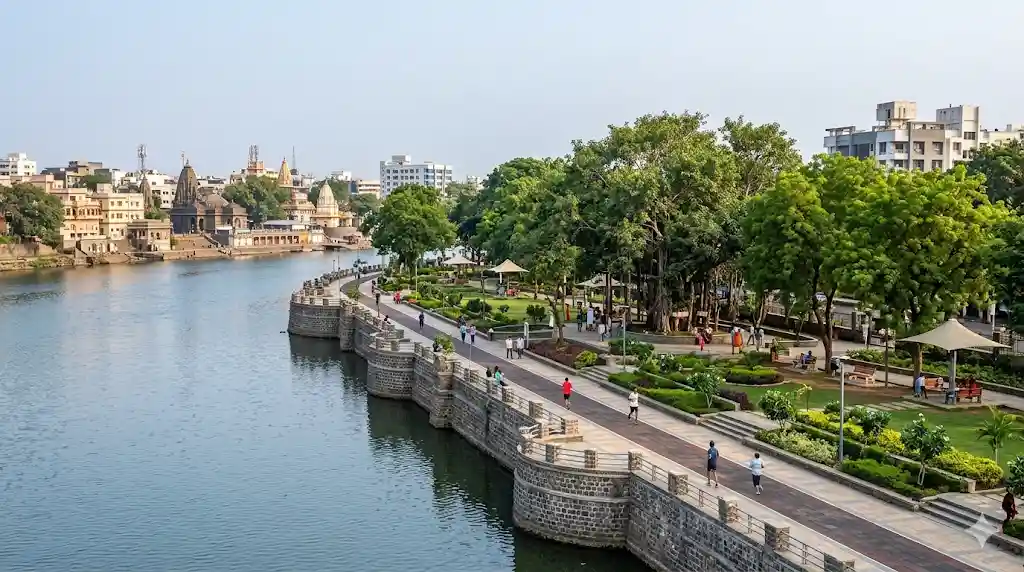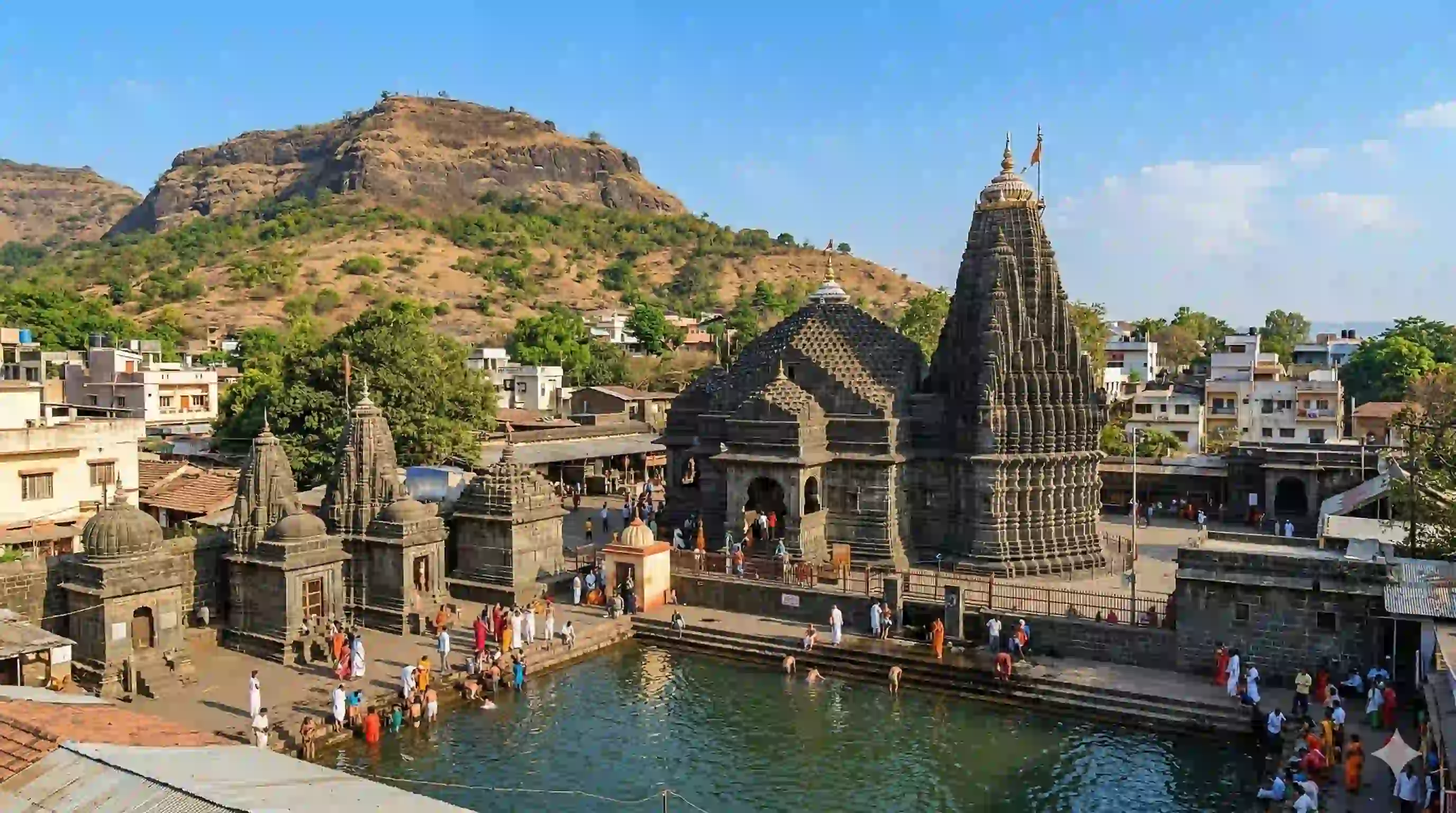
The Nashik Kumbh Mela is not just a religious gathering; it is a grand exhibition of India's timeless spiritual heritage. For a first-time visitor, understanding the rituals and traditions is essential to truly connect with the divine energy of this event. From the grand processions of Sadhus to the quiet flickering of lamps on the Godavari, every act is a step toward spiritual awakening.
1. Shahi Snan (The Royal Bath)
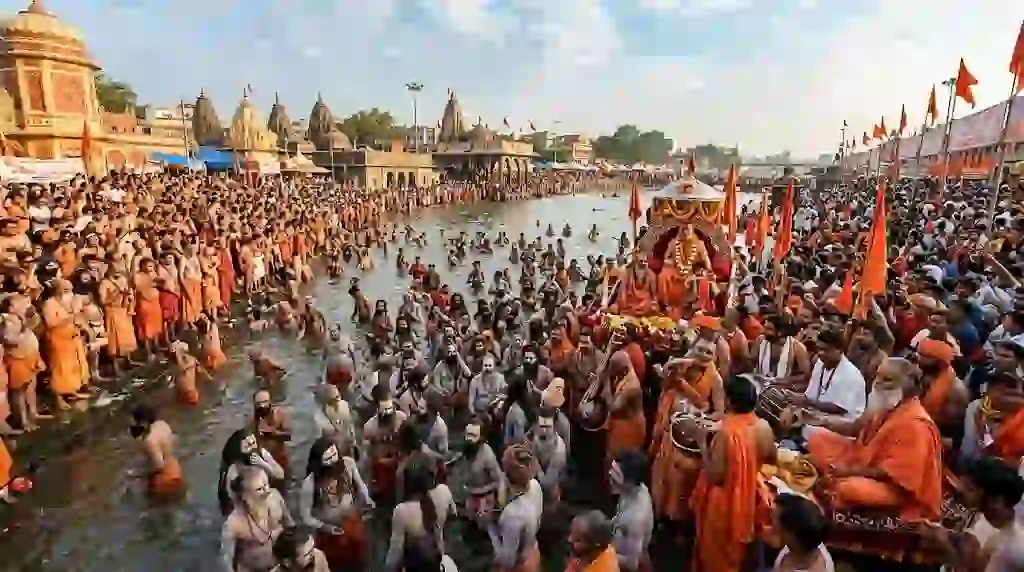
The Shahi Snan is the most significant and celebrated ritual of the Kumbh Mela. It is the holy dip taken by the Sadhus of various Akhadas before anyone else is allowed in the water.
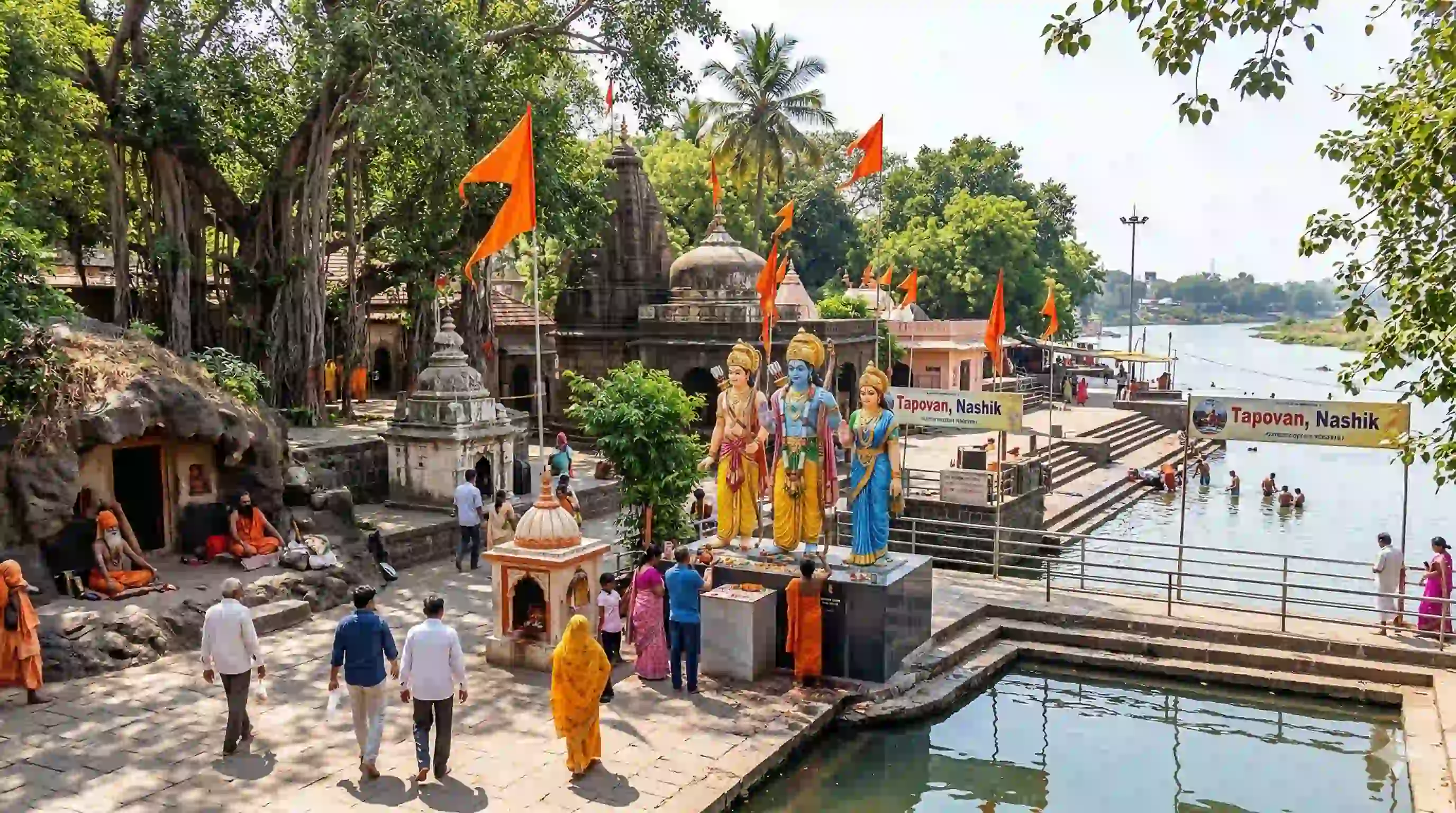
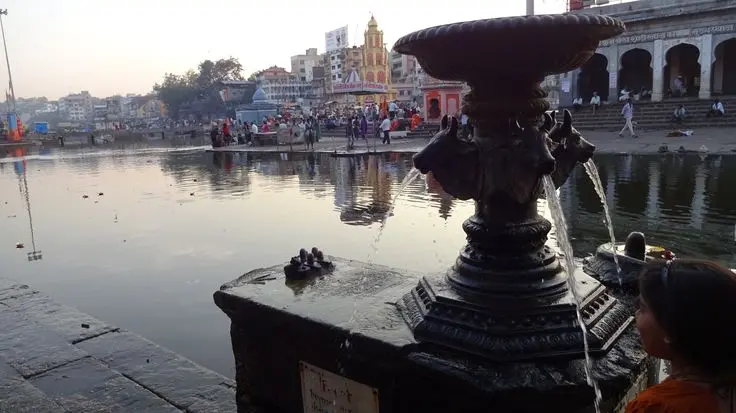
The timing of the Shahi Snan is determined by the planetary positions of Sun and Jupiter. It is believed that at these specific moments, the Godavari's water at Ramkund transforms into nectar. Witnessing the Shahi Snan is a powerful experience, as the energy of thousands of chanting Sadhus fills the air.
2. Peshwai: The Grand Procession
Before the Kumbh Mela officially begins, the various Akhadas (sects of Sadhus) enter the city in a grand procession called Peshwai.
The Sadhus arrive on elephants, horses, and decorated chariots, accompanied by the sound of drums and conch shells. For pilgrims, this is the best time to seek the blessings of the Naga Sadhus and Mahamandaleshwars. The Peshwai marks the arrival of the guardians of the Hindu faith into the holy city.
3. Deep Daan (Offering of Lamps)
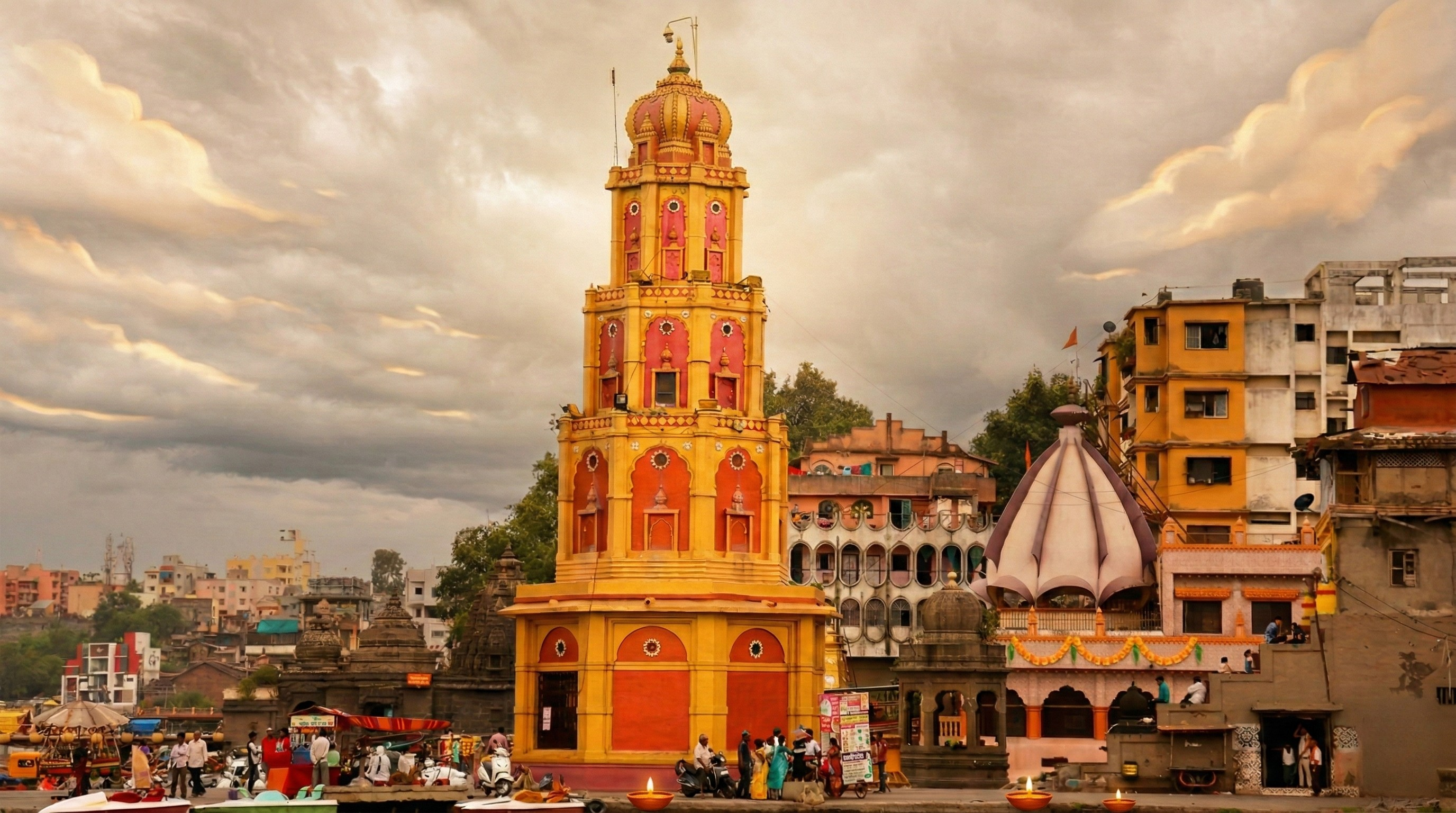
As the sun sets over the Godavari, the ritual of Deep Daan begins. Pilgrims float small clay lamps (diyas) on the river as an offering to Mother Godavari.
This tradition symbolizes the victory of light over darkness and knowledge over ignorance. The sight of thousands of flickering lamps floating on the dark waters of the river is a mesmerizing and meditative experience. It is often performed to seek peace for ancestors or to fulfill personal vows.
4. Pitri Tarpan (Ancestral Rituals)
Nashik and Ramkund are considered extremely auspicious for Pitri Tarpan—the ritual of offering water and food to one's ancestors.
During the Kumbh Mela, it is believed that the gates of the spiritual world are open, making it the best time to perform rites for the departed souls. Many families visit Nashik specifically for this purpose, guided by the local Purohits who have maintained genealogical records for generations.
5. Satsang and Religious Discourses
The Kumbh Mela is also a great center for learning. Throughout the festival area, large tents (Pandals) are set up where various spiritual leaders hold Satsangs and give discourses on the Vedas, Upanishads, and the Bhagavad Gita.
For a seeker, this is a golden opportunity to clear doubts about life and spirituality. Listening to these enlightened masters amidst the spiritual atmosphere of Nashik is a transformative experience.
6. Akhada Culture and Naga Sadhus
The Akhadas are the military-style organizations of Hindu Sannyasis. Each Akhada has its own set of traditions, deities, and weapons. The Naga Sadhus, who remain naked and covered in ash, are the most famous attraction of the Nashik Kumbh.
Their presence reminds pilgrims of the path of extreme renunciation. While their appearance may be intimidating to some, they are deeply respected for their years of penance (Tapasya) in the Himalayas. Observing their lifestyle in the temporary Kumbh camps provides a deep insight into the ascetic traditions of India.
Conclusion
Every ritual in the Nashik Kumbh Mela has a deep symbolic meaning rooted in ancient science and spirituality. Whether you are taking the holy dip or simply observing the grand Peshwai, you are participating in a tradition that is thousands of years old. For a hassle-free experience of these rituals, explore our Travel Packages for guided tours. To navigate the city easily, check our Local Transport Guide.
Jai Godavari! Jai Shri Ram!